

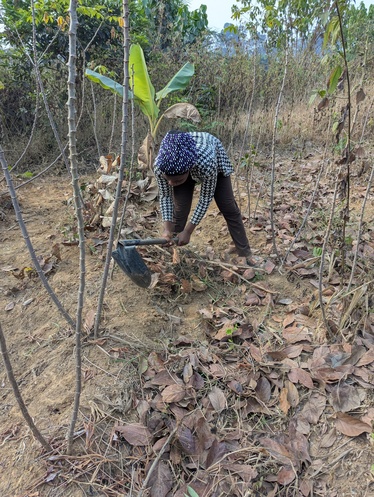
Agribusiness Reeling From Climatic Shocks
Across Cameroon, agriculture remains the backbone of livelihoods and a critical driver of the national economy. From cocoa farms in the South West to rice fields in the North and maize plantations in the West, thousands of entrepreneurs invest their savings, time, and hope into agribusiness. For many young people and families, farming represents more than a profession. It is a pathway to independence, food security, and long term stability. Yet for a growing number of agricultural entrepreneurs, success depends less on dedication, planning, or innovation and more on the increasingly unpredictable forces of nature.
Over the past decade, climate related shocks have intensified in frequency and severity. Natural disasters that were once occasional setbacks have become recurring crises, steadily eroding confidence in agribusiness. Floods, drought, storms, pest outbreaks, and wildfires are now reshaping the agricultural landscape, turning promising ventures into stories of loss, debt, and endurance. For small and medium scale entrepreneurs who lack savings or insurance, these disasters often mean the difference between growth and collapse.
Erratic rainfall patterns illustrate the scale of the challenge. In some seasons, prolonged drought dries up soils and water sources, leaving crops stunted or entirely destroyed. In others, heavy and persistent rains trigger floods that wash away seedlings, fertilizers, and farm infrastructure. Entrepreneurs who rely on seasonal planning increasingly find their calendars unreliable, as rains arrive too early, too late, or not at all. For farmers without irrigation systems, one failed rainy season can erase an entire year of investment.
Floods, Drought, and the Cost of Uncertainty
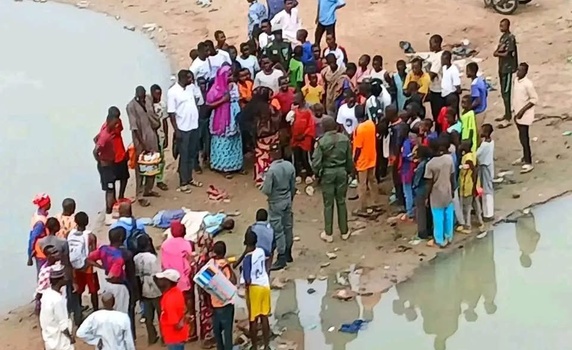
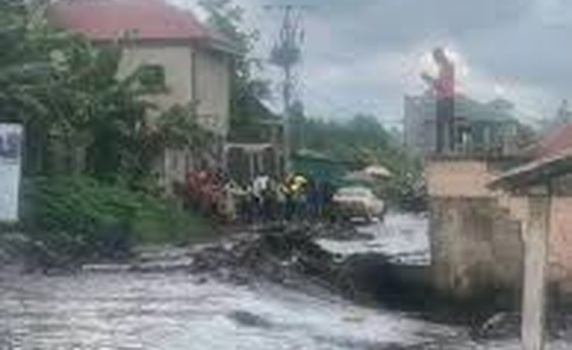
Flooding has proven especially destructive in low lying areas of the Far North, North, Centre, and parts of the South. When rivers overflow or drainage systems fail, farms are submerged, livestock perish, and stored harvests are lost. Agricultural entrepreneurs describe the trauma of watching mature crops ready for harvest disappear overnight, replaced by muddy fields and broken expectations.
For those who took loans to expand production, floods often result in defaulting on repayments. This damages their relationship with banks, cooperatives, and microfinance institutions, making future access to credit difficult or impossible. In rural economies where trust is essential, such setbacks can follow entrepreneurs for years, limiting their ability to recover.
Drought presents a slower but equally devastating threat. In northern Cameroon, rising temperatures and declining rainfall have reduced arable land and grazing areas. Entrepreneurs engaged in rice cultivation, cotton farming, and livestock production face shrinking yields and rising costs as water becomes scarce. Wells dry up earlier than expected, rivers recede, and competition for water intensifies among farmers, herders, and households.
The absence of rain also creates ideal conditions for bush fires and wildfires, a growing but often overlooked threat to agribusiness.
Wildfires & the Silent Destruction of Farms
Wildfires have become increasingly common during prolonged dry seasons, particularly in the northern regions and savannah zones of Cameroon. Dry vegetation, high temperatures, and strong winds create conditions where a small spark can turn into a raging fire within minutes. For agricultural entrepreneurs, wildfires are among the most frightening natural disasters because of their speed and unpredictability.
Entire farms can be destroyed within hours. Crops, pasture, farm buildings, irrigation pipes, and stored produce are often reduced to ashes before any response is possible. Livestock may be trapped or injured, and fencing that took years to install is wiped out in a single incident. For entrepreneurs cultivating perennial crops such as fruit trees, oil palm, or cocoa, wildfires mean losses that extend far beyond one season, as replanting and waiting for maturity can take several years.
Wildfires also degrade soil quality, reducing fertility and increasing erosion. Even after the flames are extinguished, farmers face the challenge of restoring damaged land, a process that requires time, labor, and financial resources many do not have. In some cases, repeated fires force entrepreneurs to abandon farming altogether.
Storms, Pests & Invisible Losses
Violent storms and strong winds have also become more frequent. Banana plantations are flattened, fruit trees uprooted, and greenhouses damaged. Entrepreneurs who invested heavily in modern farming techniques often watch expensive equipment destroyed by weather events beyond their control.
Natural disasters frequently trigger secondary crises that are less visible but deeply damaging. Excess moisture encourages fungal diseases and insect infestations, while drought weakens crops, making them more susceptible to pests. Outbreaks spread rapidly, forcing entrepreneurs to increase spending on pesticides and treatments at a time when revenues are already under pressure.
Livestock farmers face similar challenges. Floods contaminate grazing land and water sources, leading to disease outbreaks, while drought reduces pasture availability. Wildfires destroy grazing areas, forcing herders to travel long distances in search of feed, increasing the risk of conflict and animal loss. These cumulative effects quietly erode profitability and threaten food security.
Limited Protection, Weak Safety Nets
Despite the scale of these risks, most agricultural entrepreneurs operate without insurance or effective disaster protection. Agricultural insurance remains limited in availability and awareness, especially among small scale farmers. Premiums are often perceived as expensive, and many farmers lack trust in payout systems. When disaster strikes, losses are absorbed privately, pushing entrepreneurs deeper into poverty.
Government assistance, where available, is often delayed or insufficient. Emergency support may arrive long after farms have been destroyed, by which time many entrepreneurs have sold assets, taken on debt, or abandoned their businesses. Weak infrastructure further compounds the problem. Poor drainage systems worsen flooding, while inadequate rural roads and storage facilities increase post harvest losses during extreme weather.
Early warning systems for floods, drought, and wildfires remain underdeveloped. Many farmers rely on traditional knowledge or informal alerts, which are increasingly unreliable under changing climate conditions. Without timely information, preparation becomes nearly impossible.
Human & Economic Consequences
The toll of natural disasters on agribusiness goes beyond financial loss. Entrepreneurs report stress, anxiety, and emotional exhaustion as they watch years of effort destroyed. Families dependent on farming income struggle to afford education, healthcare, and adequate nutrition after failed seasons.
At the national level, these individual losses accumulate into broader economic challenges. Reduced agricultural output threatens food supply, increases prices, and raises dependence on imports. The discouragement of agribusiness investors undermines job creation and rural development, weakening the economy as a whole.
Resilience In Face Of Adversity
Yet, despite these hardships, many Cameroonian agricultural entrepreneurs continue to adapt. Some are embracing climate resilient crop varieties, fire breaks to limit wildfire spread, water conservation techniques, and improved land management practices. Others are diversifying into processing, livestock, or alternative income sources to spread risk.
Cooperatives and farmer groups are also playing a growing role, allowing entrepreneurs to share resources, access training, and advocate for better disaster preparedness policies. However, resilience alone is not enough. These strategies require sustained support through access to finance, insurance, infrastructure, and reliable climate information.
As climate related disasters intensify, the experiences of agricultural entrepreneurs should serve as a warning. Their struggles reflect deep vulnerabilities within Cameroon’s food systems and rural economy. Without stronger investment in disaster prevention, wildfire management, and climate resilience, the dreams cultivated in Cameroon’s fields may continue to wither, not from lack of effort, but from the relentless and growing force of nature.


Comments
Leave a Comment