

Rising Waters, Growing Risks: Flood Tragedies Highlight Climate Pressures in Cameroon
Within a matter of days, heavy rainfall in both cities led to destructive flooding, leaving behind loss of life, damaged property, and renewed concern about the country’s preparedness for extreme weather events.
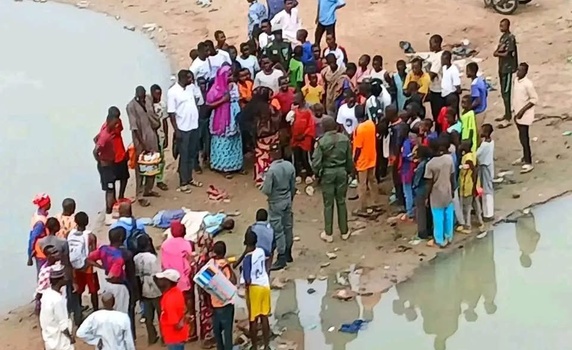
In Bamenda, the situation turned tragic in late March when intense rains caused waterways to swell rapidly in the Mile 2 Nkwen area. A temporary pedestrian bridge, widely used by residents, collapsed under the force of the floodwaters. Several individuals who were attempting to cross were swept away, with fatalities confirmed and others reported missing. The incident has left families grieving and raised serious questions about the safety of provisional infrastructure in high-risk zones.
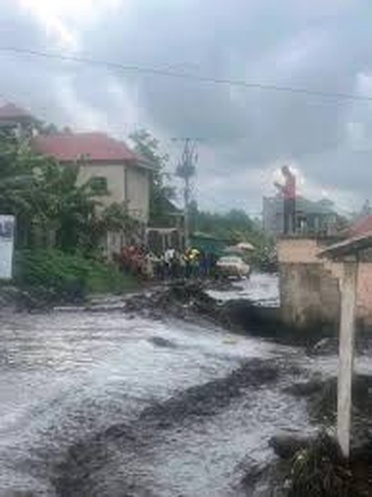
A similar pattern, though with different dynamics, was observed in Buea. Following sustained rainfall on the slopes of Mount Cameroon, large volumes of water descended into the town, inundating streets and disrupting daily life. The city’s location at the foot of the mountain makes it particularly vulnerable to sudden runoff, especially during periods of heavy precipitation. Residents described fast-moving currents flowing through neighborhoods, a stark reminder of the power of natural forces when combined with challenging terrain.
While such घटनाएँ have long been associated with the rainy season, environmental observers note that the intensity and frequency of these events are changing. Rainfall is increasingly erratic, often falling in shorter, heavier bursts that overwhelm drainage systems and natural channels. This shift is consistent with broader patterns linked to climate change, which scientists say is altering weather systems across the region.
However, natural factors alone do not fully explain the scale of the damage. In both cities, human activity has played a significant role in amplifying the impact of flooding. Poor waste disposal practices have led to blocked drainage networks, while construction in or near natural waterways has reduced the land’s ability to absorb excess water. In rapidly expanding urban areas, infrastructure development has not always kept pace with population growth, leaving many communities exposed.
The collapse of the pedestrian bridge in Bamenda has particularly underscored the risks associated with temporary structures in flood-prone environments. As communities continue to rely on such facilities, especially during ongoing construction works, concerns about safety standards and oversight are becoming more pronounced.
These recent events serve as a reminder that the effects of climate variability are no longer distant or abstract. They are being felt in real time, in cities and neighborhoods where daily life can be abruptly disrupted by extreme weather. As the rainy season progresses, the likelihood of similar incidents remains a pressing concern.
Addressing these challenges will require a coordinated response. Urban planning must take into account the realities of changing weather patterns, with greater emphasis on resilient infrastructure and effective drainage systems. At the same time, public awareness and community engagement are essential. Simple actions, such as keeping waterways clear of waste and avoiding construction in vulnerable areas, can significantly reduce risk.
Ultimately, the floods in Bamenda and Buea highlight the intersection of environmental change and human vulnerability. They point to an urgent need for both immediate measures and long-term planning to safeguard lives and livelihoods. As communities recover from these tragedies, the focus must now shift toward preventing the next one.


Comments
Leave a Comment